A year into the new Administration, SEC Enforcement leadership is now in place, and the Commission and internal structure of the Enforcement Division look very different. Based on our decades of experience leading and defending enforcement matters from coast to coast and across different administrations, here are our thoughts on what’s ahead.
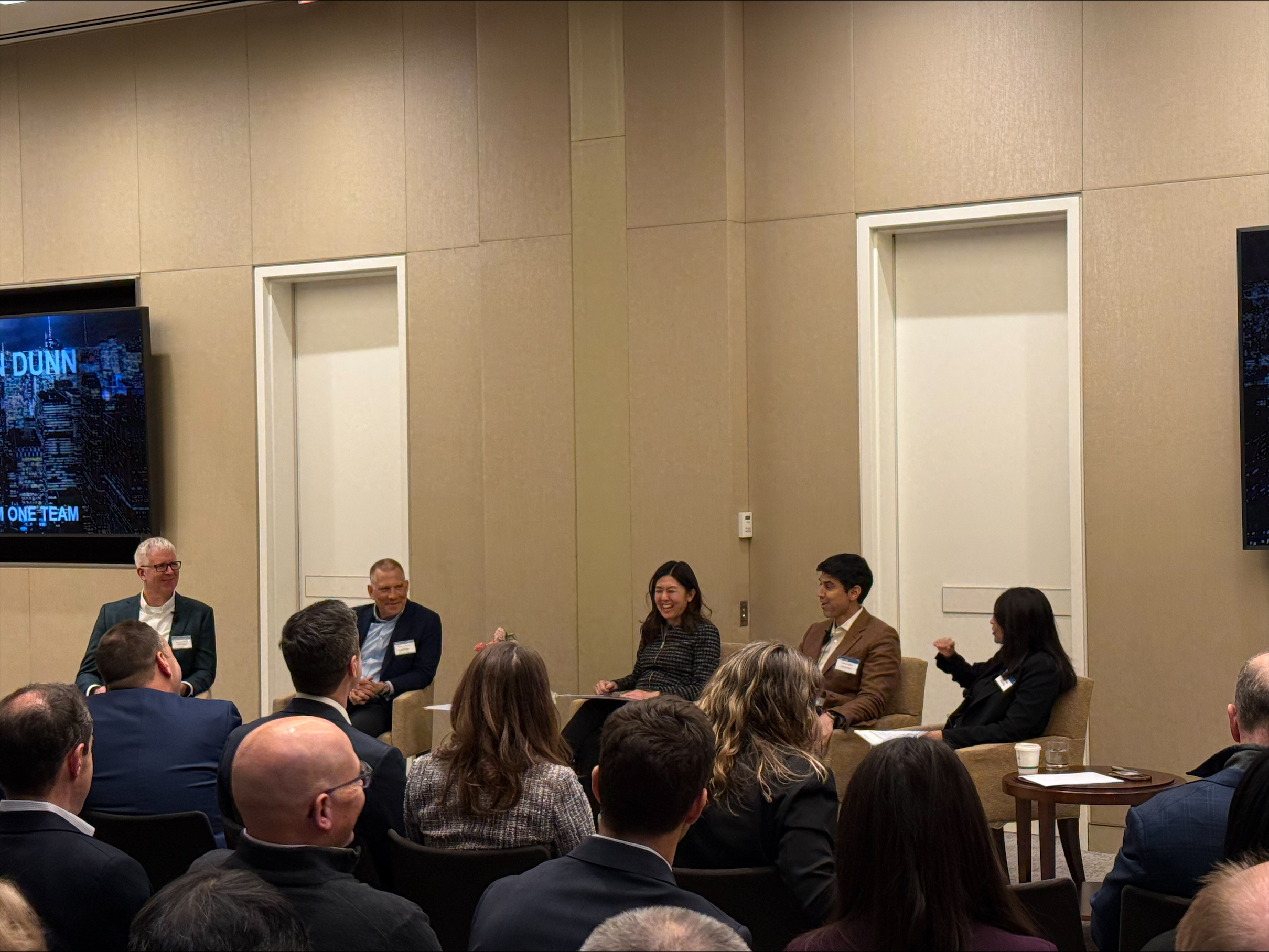
The Gibson Dunn team recently hosted a lively client event in our New York office to share our insights and will continue to keep a close watch on developments as we engage with the SEC in the coming months.

Some Takeaways
Structural & Leadership Changes at the SEC
- The SEC is currently operating with three Republican Commissioners (Atkins, Uyeda, Peirce, each experienced and familiar to the agency and each other) but no Democratic or Independent Commissioners – a relative historical anomaly.
- Regional Director roles have evolved, now with Regional Deputies—a restructuring of Enforcement.
- New Enforcement leadership reflects a shift toward more centralized oversight, though the extent of the shift is still evolving.
Enforcement Activity: Slower Pace and Less Visibility
- As with any transition, activity slows, though this transition has taken longer than years past and included a lengthy government shutdown and a significant headcount reduction in a short period of time.
- Fewer press releases and thus far no 2025 year‑end enforcement report, despite ongoing activity.
- There is evidence of triage: some legacy matters are being closed, while traditional cases continue and a slightly higher pace of filed case activity observed in recent weeks.
Changes to the Wells Process
- Chairman Atkins is pushing for a more “fair and transparent” Wells process, including more dialogue that occurs earlier in the investigation.
- Expect more changes as the Division aligns for consistency of practice. For now, though, we are observing variability in process across staff.
- SEC speeches and pronouncements have advised to consider escalation earlier when it will be constructive, but not to expect multiple meetings with senior leadership.
Key Themes
- A return to bread‑and‑butter enforcement (classic fraud, manipulation) and a refined focus on retail investors.
- Matters with clear intent and investor harm are high priorities, while “benign or innocent actions” without investor harm are likely low priorities.
- Expect the Enforcement Division to push for faster timelines on investigations.
Forward‑Looking Risk Areas for Market Participants
- Investment advisers & broker‑dealers: Regulation Best Interest, private credit retailization, conflicts, examinations, and potential referrals.
- AI-related risks: use of AI in trading, compliance, and client communications; on the horizon also appears to be use of AI and advanced data analytics in investigations by the SEC.
- Cyber & disclosure: SolarWinds dismissal does not eliminate risk in light of ongoing regulatory disclosure obligations; cybersecurity disclosures remain an active area.
- State AGs: Likely to assert a greater presence in areas historically covered by SEC or DOJ, as seen here: “New York Attorney General Brings Unusual Insider Trading Action Relating to CEO’s Stock Sales Pursuant to Rule 10b5-1 Plan.”